
We hunt for hidden problems the Global South market won’t solve without risk capital, then scale it globally.
Six live theses across infrastructure, industry, capital, sovereignty, and commerce — each with clusters we are building into, fellows we want beside us, and pilots already in motion.
Where we’re concentrating.
Pick a POD from the rail or open a card below. Each deep view walks from the macro number that pulled us in, through what the market keeps missing, to the clusters we are willing to back.
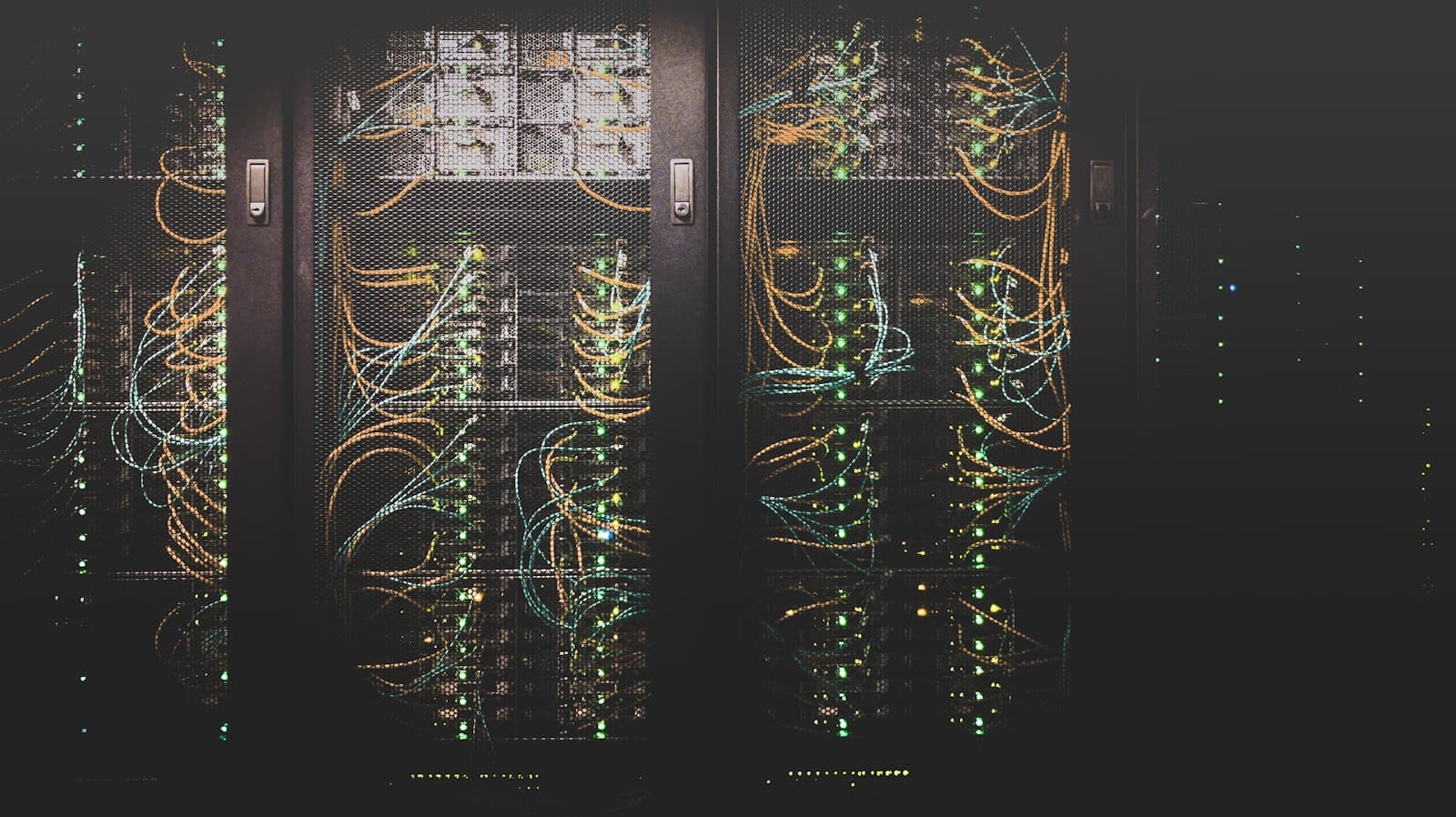
Infrastructure Intelligence
Intelligence layer for critical infrastructure
McKinsey puts cumulative global infrastructure investment needs at $106 trillion through 2040 — transport, power, digital, water, and the rest. Most of what we already run still operates on partial visibility, static assumptions, and judgment calls made in spreadsheets. In GCC and Southeast Asia — where load is rising fastest — that gap is no longer academic. We are building the intelligence layer that turns live telemetry into uptime, cost avoidance, and sovereign-grade reliability.
- Energy Intelligence
- Data Center Intelligence
- Maintenance & Performance
- $106TMcKinsey · 2024Infrastructure investment to 2040
- ~$18TGlobal Infrastructure Hub · OutlookGIH funding shortfall · 2040
- 15–25%U.S. DOE · McKinseyOPEX cut · predictive maintenance
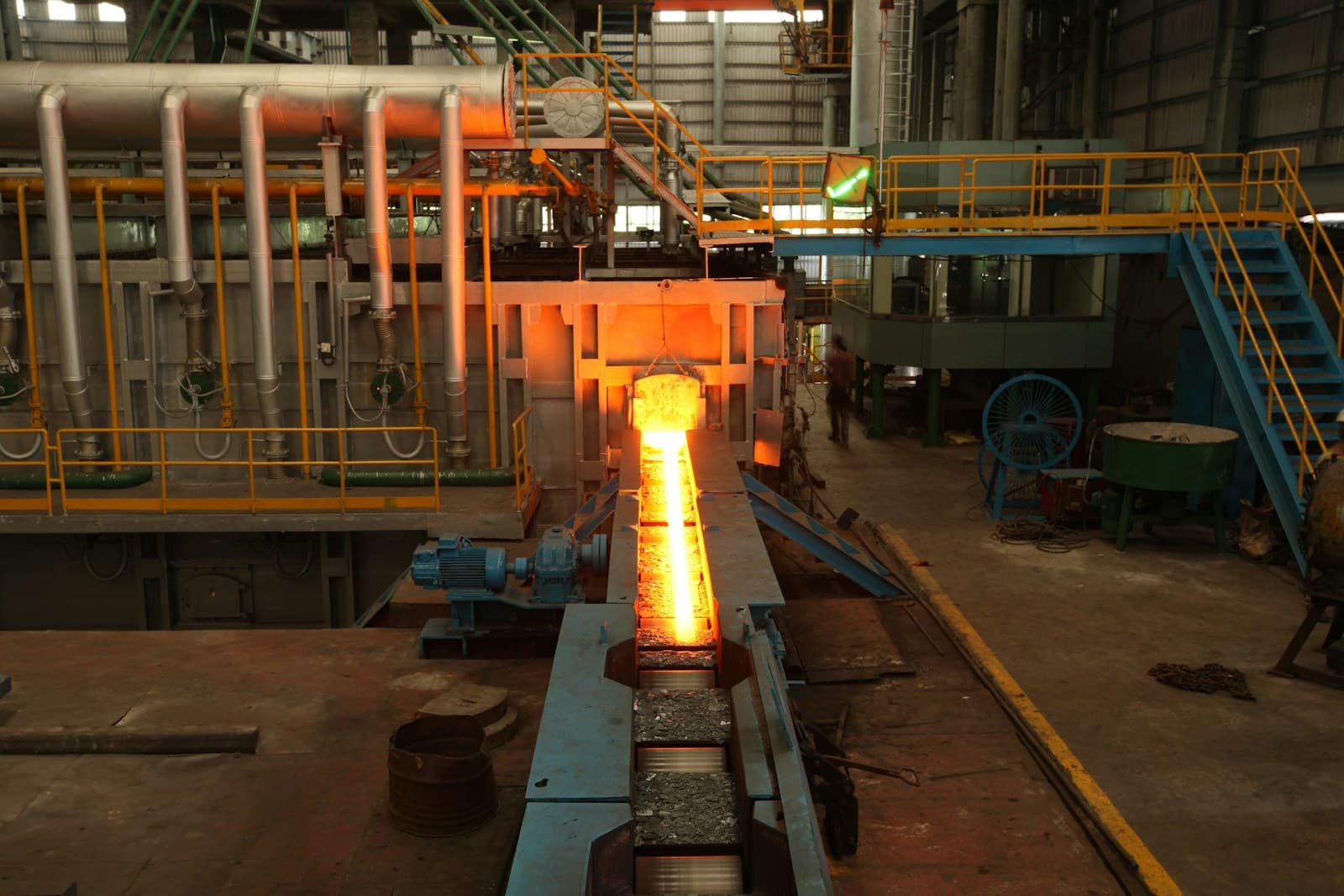
Decarb Industry
AI-native industrial decarbonization
Heavy industry emits 9–12 gigatonnes of CO₂ a year. The largest near-term cuts do not come from a single miracle technology — they come from process efficiency, smarter materials, and assets that last longer. Those are optimisation problems disguised as engineering ones, and they are finally playable with AI, sensors, and operator-grade software.
- Industrial Logistics Decarb
- Low-Carbon Materials
- Asset Longevity
- 9–12 GtIEA · 2024Industrial CO₂ per year
- $1T+BloombergNEF · 2023Industrial decarb spend by 2030
- 85%World Bank · 2024New industrial capacity 2024–2040 · GCC / SEA / India / Africa

Capital Infrastructure
Programmable economic infrastructure
Roughly $190 trillion moves across borders every year — mostly on rails designed decades ago for a smaller, slower world. Remittances still average about 6.5% in fees globally. SMEs face a $5.7 trillion financing gap because underwriting cannot read how they actually trade. We are rebuilding programmable settlement, wealth, and credit infrastructure for GCC, Southeast Asia, and Africa.
- Cross-Border Rails
- Wealth Architecture
- SME Finance Rails
- $190TBIS · 2024Annual cross-border value
- +74%MAGNiTT MENA 2025 ReportMENA VC funding YoY · 2025 ($3.8B / 688 deals)
- Up to 80%BIS · SAMA · 2024Cross-border cost cut via mBridge CBDC (Saudi joined 2024)
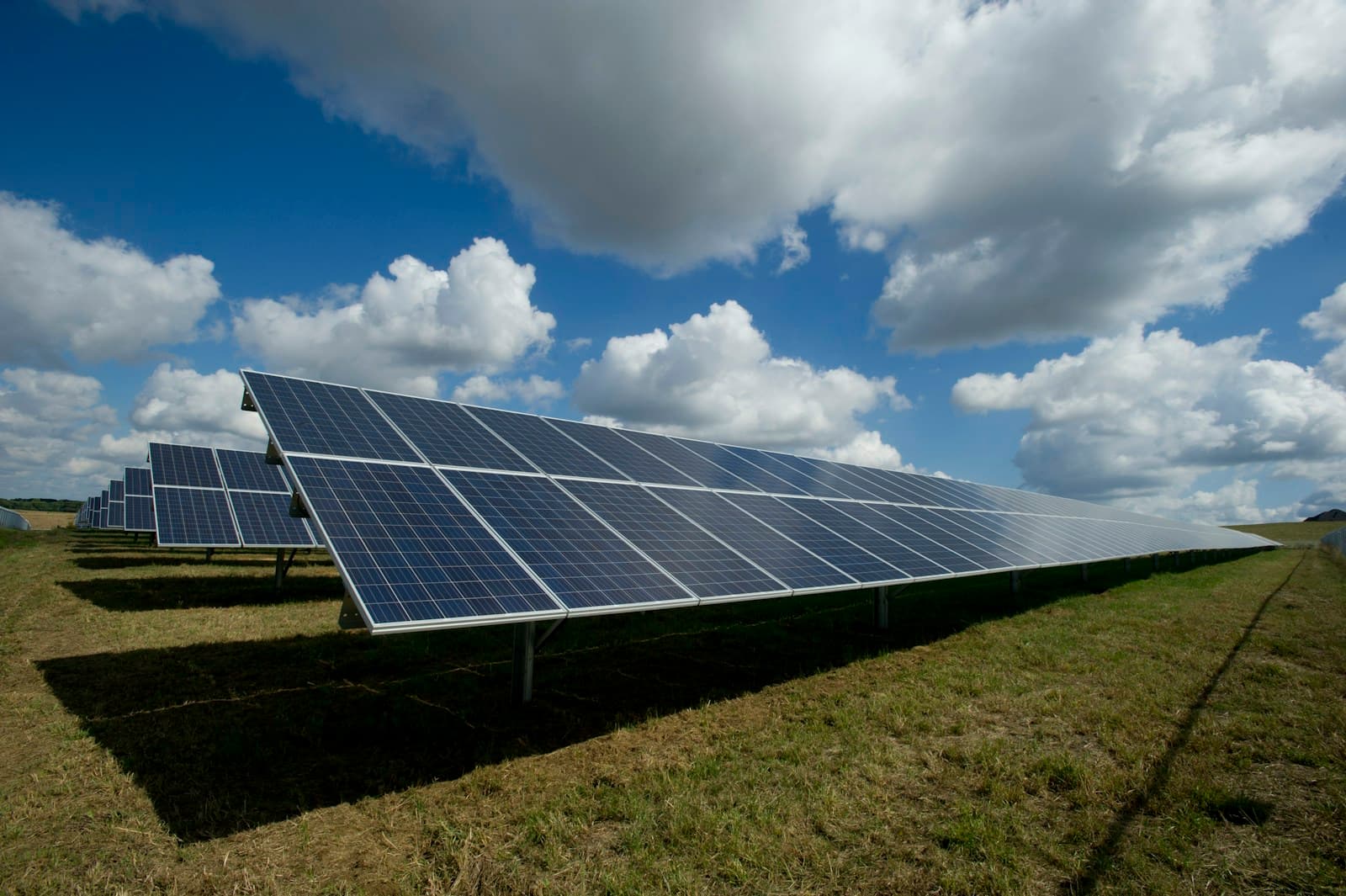
National Resilience
Digital & energy sovereignty infrastructure
More than 70% of hyperscale capacity still sits in the US and China. Nations scaling AI, digital government, and industrial platforms cannot run their future on rented foundations. This POD backs sovereign compute, resilient energy, risk engines, and national digital stacks — the systems a country needs to remain a country.
- Sovereign Data
- Sovereign Energy
- National Stack Building
- $6BPIF · datacenters.com · 2024PIF data centre commitment 2024
- 70%+Synergy Research · 2024Hyperscale capacity concentrated in US + China
- ~20% CAGRCushman & Wakefield · e-Conomy SEA · 2024SEA data centre demand to 2028
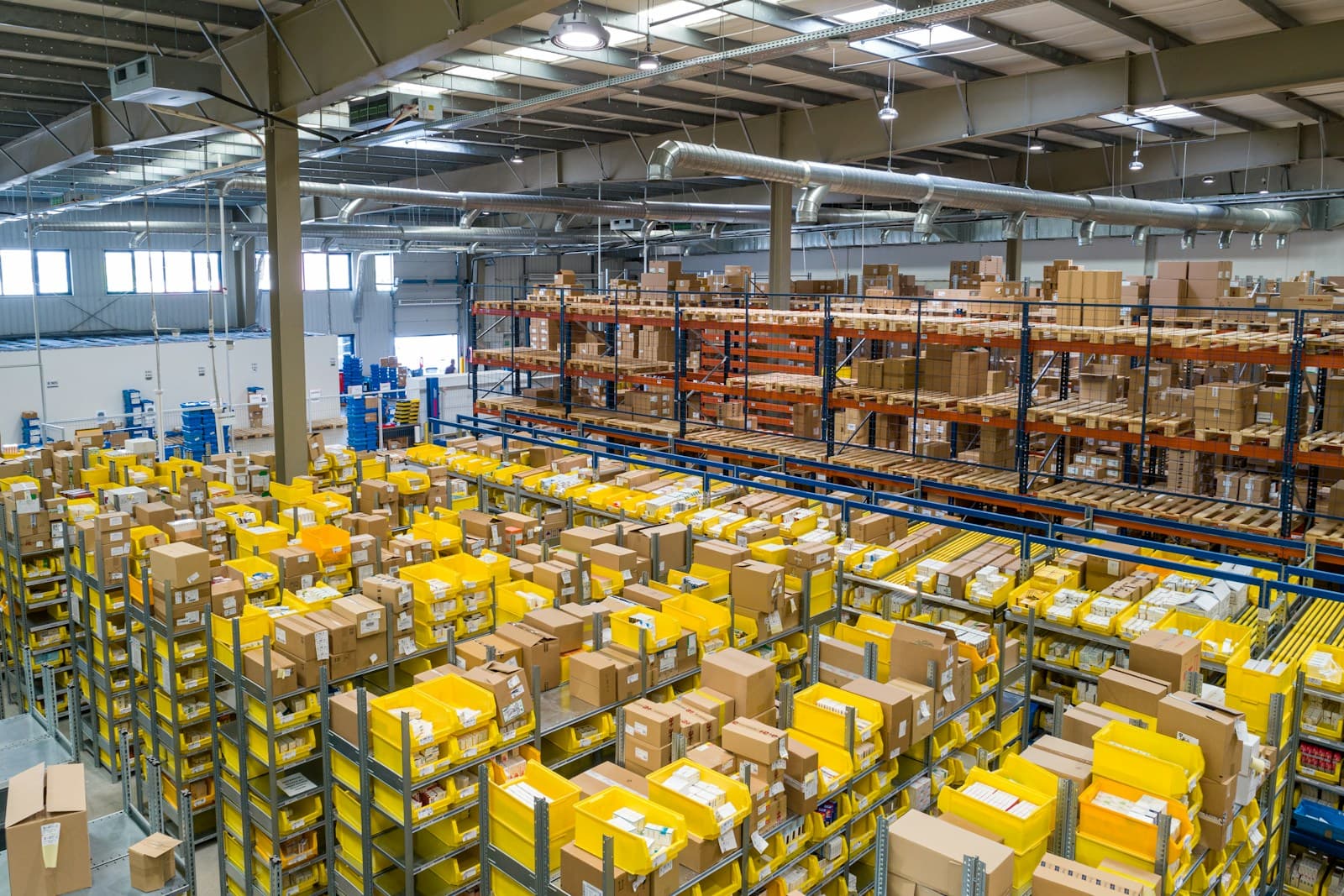
Commerce
AI-native commerce infrastructure for the Middle East
MENA ecommerce is a $34 billion-plus market in 2024, with credible forecasts past $50 billion this decade — and most of it still runs on patchwork tools: Excel inventory, WhatsApp service, cash on delivery, manual returns. Platforms built elsewhere were bolted on later. The operating layer local merchants actually need has not been built yet.
- Merchant Operating System
- Identity & Provenance
- Arabic-first Intelligence
- +1 more
- $34B+BCC Research · Digital Commerce 360 · 2024MENA ecommerce · 2024
- $3.1BUber Q1 2020 10-QCareem–Uber acquisition · 2019 (largest MENA tech M&A)
- ~$58BBCC Research · 2024MENA ecommerce forecast · 2029

Opportunistic
When the founder is the thesis
Not every exceptional company arrives on schedule. Some sit between two PODs. Some open a corridor the org chart has not named yet. Some arrive with a founder so deep in the problem that the market map is wrong, not the opportunity. Opportunistic is a small, high-bar book — same co-build discipline, same proof windows, no category for its own sake.
- Adjacent ventures
- Cross-POD synergy
- High-conviction outliers
High-conviction bets outside the core five spaces. Each thesis is sized and underwritten on its own merits — see the deep view for each fellow.
If you’ve lived inside one of these spaces, we want to co-build with you.
Fellows bring domain depth. Corporates bring the problem. Scouts and co-investors help us find and fund what scales.
- For Fellows
Operators with scar tissue.
If you have lived inside one of these six spaces — run a grid, cooled a plant, moved capital, kept a country online — we want to co-build with you, not advise from the sidelines.
Apply as a Co-Build Fellow - For Corporates
Carriers of the problem.
If you run infrastructure, heavy industry, capital rails, or commerce that is getting harder to run — bring a real failure mode. We will pilot on your constraints, not slide decks.
Submit a problem to be solved - For Co-investors
Aligned capital.
Each cycle inside a POD sharpens its thesis. Co-invest with The Studio before the next round becomes externally visible.
Co-invest in our portfolio